Lawmakers Move to Loosen Utah Alcohol Laws



by
Published on
.jpg)
While meant to target extreme DUI offenders, restaurants say the new provision is causing confusion with their customers and impacting their business.
At Matteo Ristorante Italiano in downtown Salt Lake City, owner Matteo Sogne aims to connect customers with the comfort of traditional Italian fare.
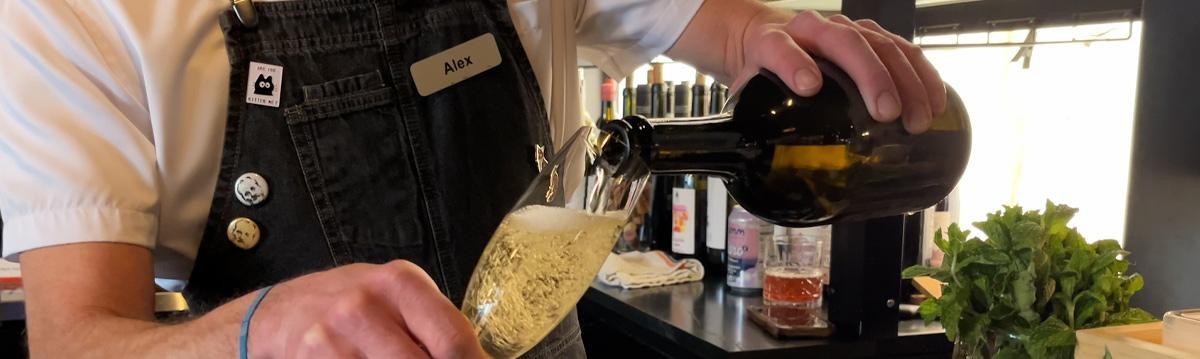
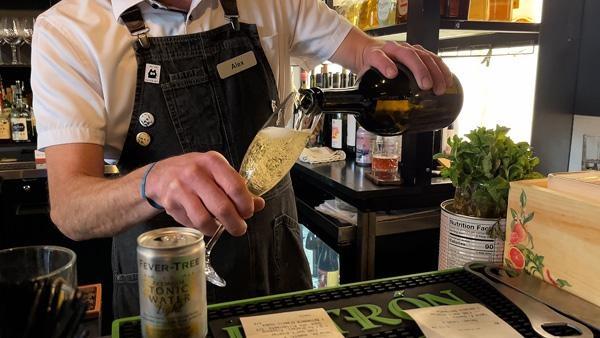
“I love when we bring people together over a glass of wine and some great food,” he said.
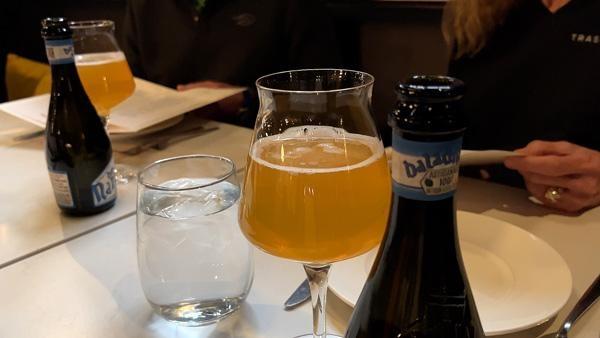
Ordering that glass of wine or an imported Italian beer now comes with a mandatory ID check, no matter if a patron looks 19 or 91, after a new law that took effect on January 1.
Sogne explained customers started giving his staff a hard time, “especially pushback from older people and regulars,” because they either didn’t understand why they were being carded, or they left their ID at the hotel and couldn’t order a drink.
“People from out-of-town coming in and like, well, I just want a glass of wine. I’m clearly above 21. Because they're in their 60s or 70s,” Sogne said.
It prompted him to post a sign up front, explaining the 100% ID check is not restaurant policy—it’s the law.
“Some of them get it, some others don't. It's challenging,” Sogne expressed. “It starts the whole experience on the wrong foot.”
After a bumpy rollout in restaurants, two different bills circulating up on Capitol Hill call for walking back the 100% ID check provision for restaurants and changing it to checking IDs for anyone who appears 35 and younger.
Representative Steve Eliason (R-Sandy) is behind HB 59, which proposes loosening the ID check while simultaneously tightening laws around confiscating fake IDs.
“People that are clearly over 21 being asked for their ID to even enter a restaurant that serves alcohol, was actually never the intent,” Rep. Eliason explained. “That was not to actually verify age.”
As the sponsor of the original law, Rep. Eliason explains the intent was to keep the community safe by preventing alcohol sales to people convicted of extreme DUI who have the newly created interdicted license.
Those licenses include a red line at the top of the person’s photo that say in white letters, “No alcohol sale.”
“This is about actually protecting individuals consuming alcohol, but also the general public,” Rep. Eliason said. “And we have far too many innocent people being killed and maimed by drunk drivers in Utah.”
The second bill’s sponsor, Representative Jeff Burton (R-), echoed Rep. Eliason.
“[Restaurants are] not where we see most of our problems,” he expressed. “What we're trying to get after is just, once an over service that causes folks to do dangerous things and take the life of innocent people behind the wheel.”
He is sponsoring HB 597. Titled “Alcohol Amendments,” the bill focuses on a long list of changes to Utah alcohol laws, one of them being the 100% ID check restaurant provision.
Other changes proposed in HB 597 include relaxing proximity laws for full-service restaurants, hotels, and bars specifically around parks, as well as increasing the criminal penalty for giving alcohol to a minor.
Both bills call for keeping the 100% ID check in place for bars, clubs, and retailers.
Sogne supports measures to prevent extreme DUI offenders from buying alcohol.
“Driving under the influence hit very close to my family. I grew up being reminded of the effects daily, and it's something that's very close to my heart,” he said.
While a law like the 100% ID check is important to him, Sogne added that the restaurant checks are impacting a lot of people who are not targeted, and he thinks there are better ways to go about it.
“I see where the law is going, and I think it's a very good thing for our community,” he said. “It just can be improved, I think.”
As he waits to see what happens from here, Sogne’s staff will continue carding everyone, before serving up drinks and delicious Italian dishes.
“I just want to bring people together,” he expressed, “and make people happy when they leave here.”
Utah Insight is PBS Utah’s public affairs program, with in-depth, timely explorations of the most pressing issues facing the state. Host Lauren Steinbrecher discusses hot topics with leading experts, local leaders, and everyday Utahns to foster meaningful conversations and diverse perspectives. Whether reporting from the steps of the Capitol, attending rallies, or engaging with citizens on the street, Utah Insight empowers viewers to stay informed and engaged.
You can also find Utah Insight on PBS Utah's YouTube channel, Instagram, and Facebook.